Is your commercial gas installation compliant?
Many businesses assume that if their gas appliances are serviced regularly, their gas installation is fully compliant. However, one critical aspect of commercial gas safety is often overlooked – the integrity of the gas pipework itself.
Gas leaks can develop gradually over time due to corrosion, vibration, accidental damage, or deterioration of joints and fittings. Even a small leak can create significant safety risks, increase operating costs through wasted gas, and potentially lead to enforcement action if your installation does not meet current standards.
For organisations operating commercial or industrial premises, periodic gas tightness testing is an essential part of maintaining a safe working environment.
What do the regulations say?
The Gas Safety (Installation and Use) Regulations 1998, specifically Regulation 35, require employers and duty holders to ensure that gas systems and pipework are maintained in a safe condition.
While the regulations do not specify an exact testing interval, the Health and Safety Executive (HSE) expects duty holders to follow recognised industry standards to demonstrate compliance.
The recognised standard is IGEM/UP/1A, which recommends that non-domestic gas pipework installations larger than 35mm diameter should undergo a full tightness test at least every five years.
Following these recognised standards helps businesses demonstrate that they are meeting their legal responsibilities for gas safety.
Why is tightness testing important?
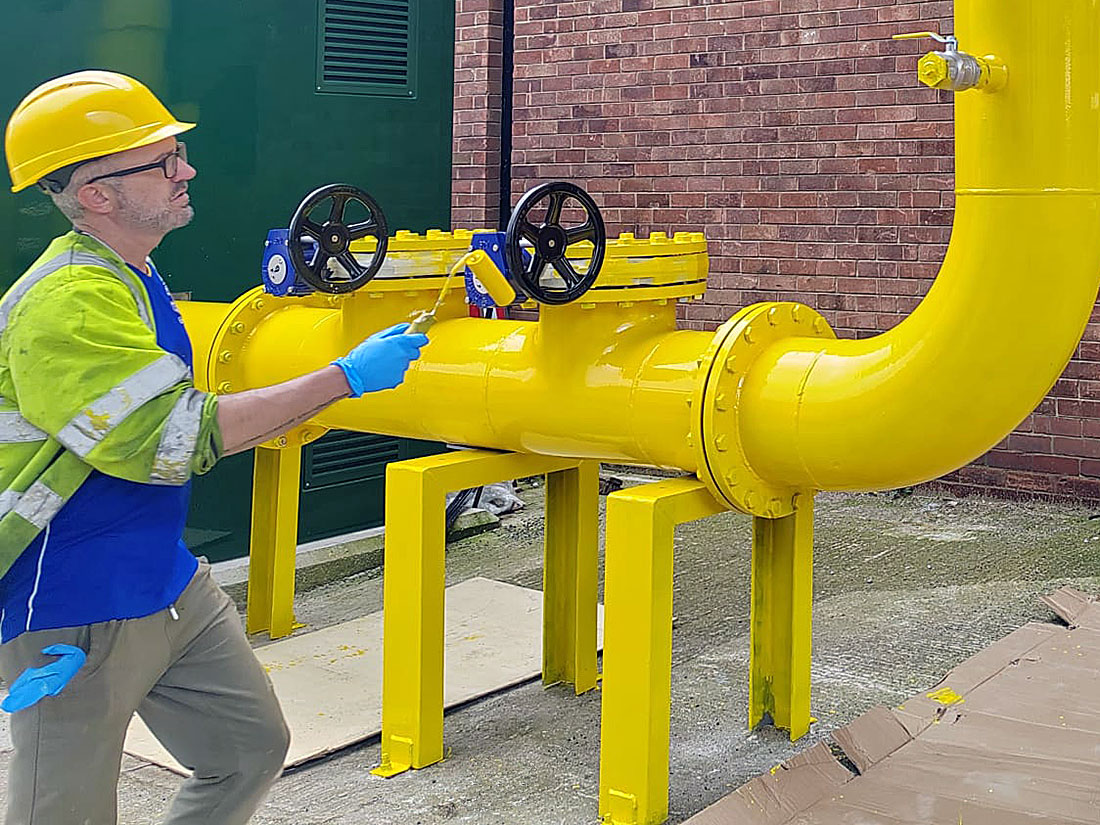
Commercial gas pipework can often extend throughout an entire building, supplying multiple appliances, production areas or plant rooms. Unlike appliances that receive routine servicing, the pipework itself may remain untouched for many years.
Over time, issues can develop including:
- Ageing seals and joints
- Mechanical damage
- Corrosion
- Vibration from plant and machinery
- Alterations to the gas installation
- Poor previous repairs or modifications
A professional tightness test verifies that the complete pipework installation remains gas tight and safe for continued use.
Who needs a five-year gas pipework test?
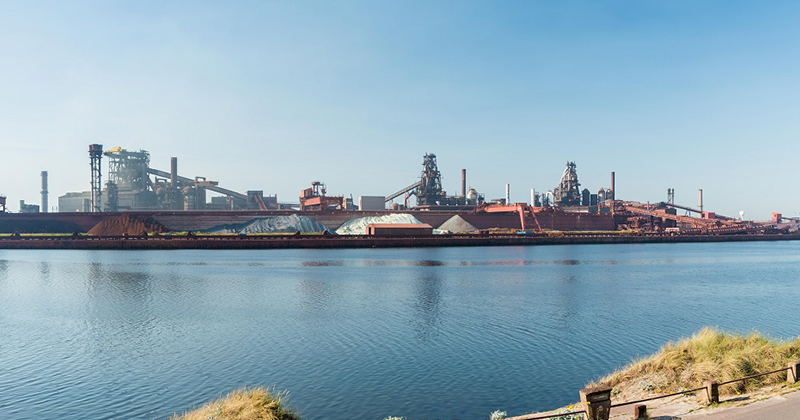
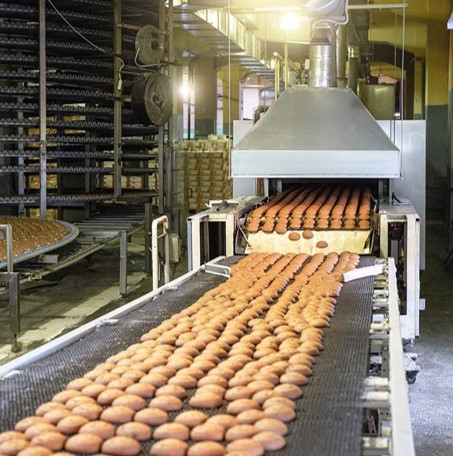
The five-year testing recommendation applies to a wide variety of commercial and industrial premises, including:
- Manufacturing facilities
- Factories
- Warehouses
- Commercial kitchens
- Hotels
- Care homes
- Schools and colleges
- Leisure facilities
- Office buildings
- Agricultural and horticultural businesses
- Industrial processing plants
If your premises contain gas pipework exceeding 35mm diameter, it is worth checking when the system was last professionally tested.
Why choose a qualified specialist?
Commercial and industrial gas systems can be significantly more complex than domestic installations. Larger pipework volumes and higher operating pressures require specialist knowledge and competence.
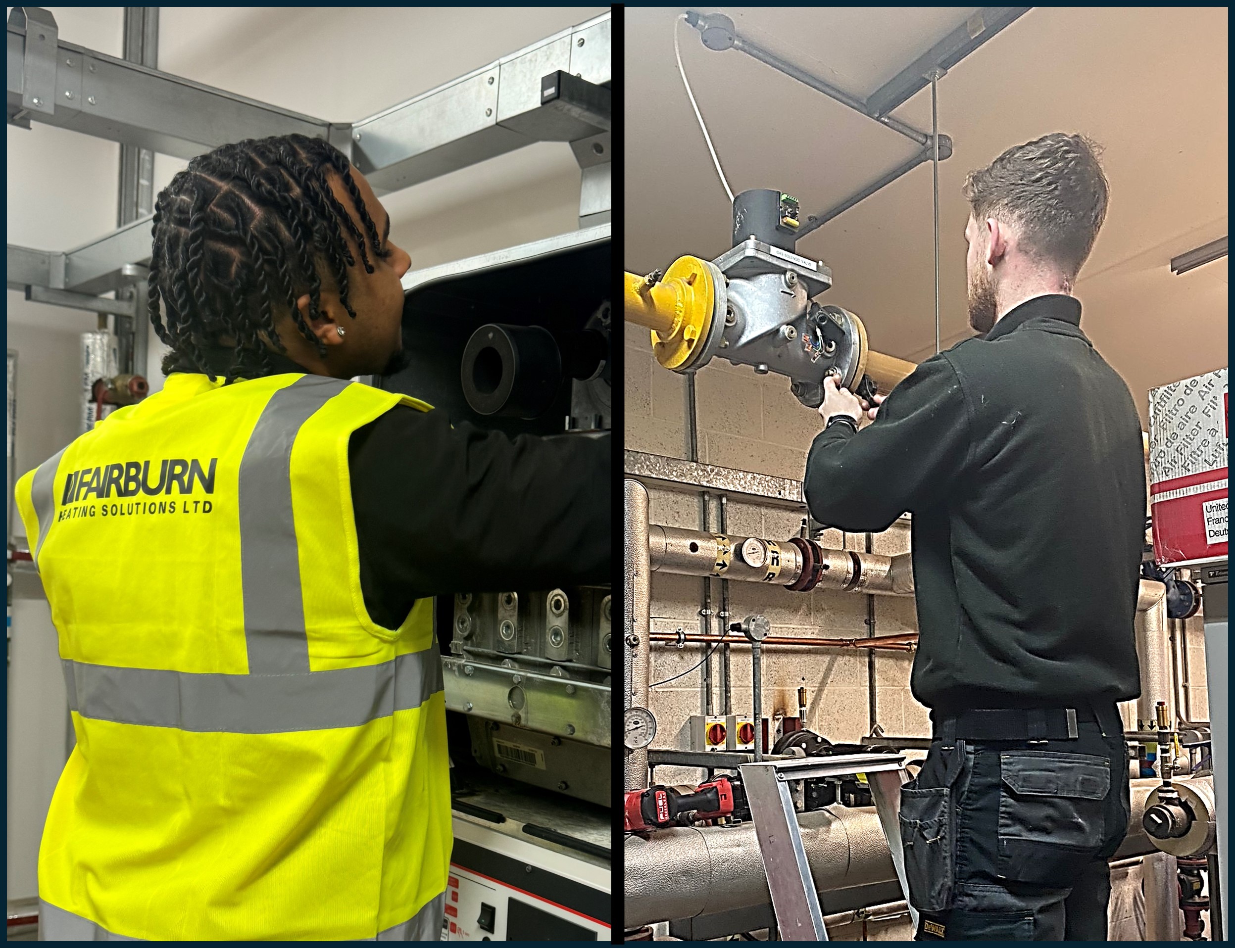
At Fairburn Heating Solutions, our engineers hold the TPCP1 (Tightness Testing and Purging of Commercial and Industrial Pipework) qualification.
This ACS qualification covers commercial and industrial gas pipework exceeding 1 cubic metre in volume, operating at pressures of up to 16 bar for Natural Gas and 2 bar for LPG, in accordance with the IGEM/UP/1 standard.
This specialist competence ensures testing is carried out safely, accurately and in line with current industry requirements.
What happens during a gas tightness test?
A professional tightness test typically involves:
- Assessing the installation and pipework layout
- Safely isolating the gas installation where required
- Carrying out calibrated pressure testing
- Identifying any pressure loss or leaks
- Recording the results
- Advising on any remedial work if required
- Returning the installation safely to service where appropriate
Where defects are identified, these can often be addressed before they develop into more serious or costly problems.
The benefits of proactive testing
Regular gas pipework testing provides several important benefits:
- Demonstrates compliance with recognised industry standards
- Supports your health and safety responsibilities
- Reduces the risk of gas leaks
- Helps protect employees, visitors and property
- Minimises the likelihood of costly emergency repairs
- Provides documented evidence of inspection and testing
- Gives confidence that your gas installation remains safe
Rather than waiting until a problem develops, periodic testing forms part of a sensible preventative maintenance strategy.
Don’t wait until there’s a problem
Many organisations have comprehensive maintenance programmes for boilers, burners and heating systems, yet their gas pipework may not have been tested for many years.
If you are unsure when your commercial gas installation was last tightness tested, now is the ideal time to review your records.
Fairburn Heating Solutions has the experience, qualifications and specialist equipment to carry out commercial and industrial gas pipework tightness testing safely and professionally.
Book an engineer today
If your commercial premises require a five-year gas tightness test, or you are unsure whether your installation complies with current industry guidance, contact Fairburn Heating Solutions today.
Our experienced, TPCP1-qualified engineers can assess your installation, carry out the required testing and provide the documentation you need to demonstrate compliance.
Book an engineer today and ensure your commercial gas installation remains safe, compliant and operating as it should.